
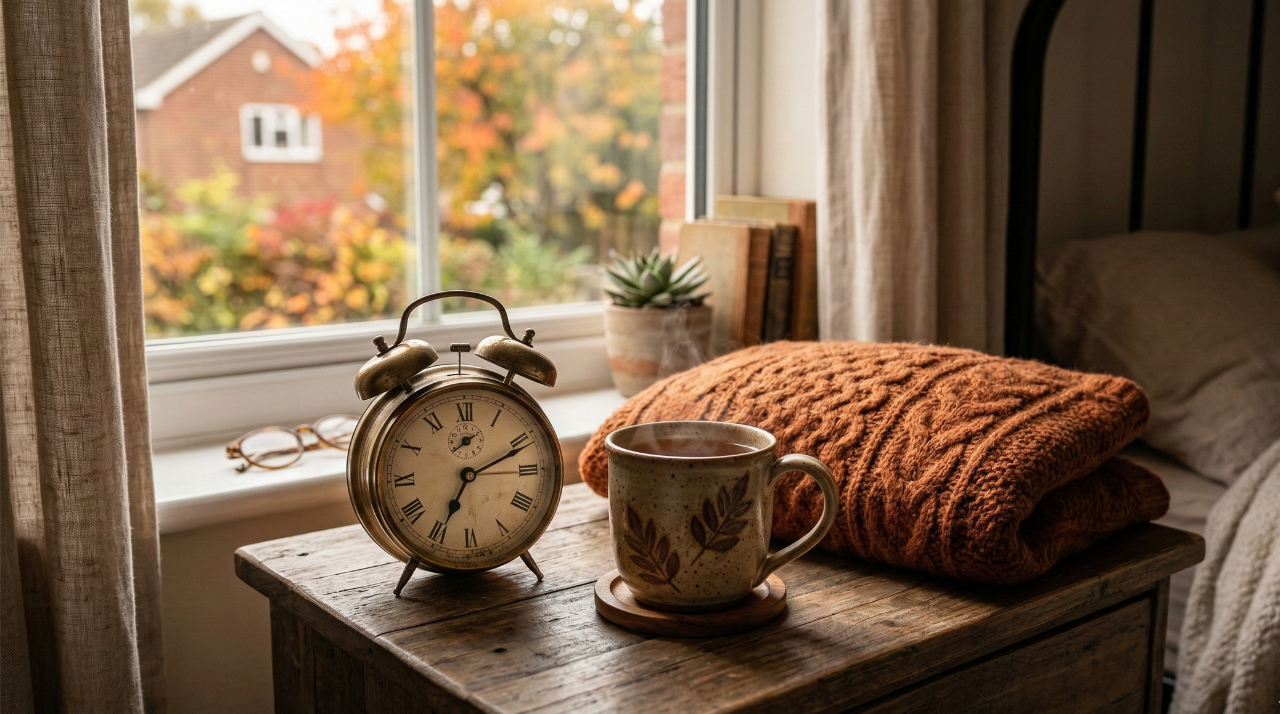
As the autumn weather sets in and Halloween decorations come down, Americans prepare for the second major time change of the year.
If you are wondering when it will suddenly start getting dark before dinner time, you need to know exactly when Daylight Saving Time ends in 2026. Whether you are excited about getting an extra hour of sleep or dreading the darker evenings, here is your complete guide to the “fall back” time change.
When Do We Fall Back in 2026?
In the United States, Daylight Saving Time officially ends on Sunday, November 1, 2026, at 2:00 AM local time.
By federal law, the time change always occurs on the first Sunday in November. At exactly 2:00 AM, clocks will automatically “fall back” to 1:00 AM. Fortunately, most modern smartphones, computers, and smartwatches will make this adjustment for you automatically while you sleep!
Do We Gain or Lose an Hour of Sleep?
This is the time change that everybody loves! Because the clocks move backward, you officially gain an extra hour of sleep. > The downside to this extra rest is that the sun will set significantly earlier in the afternoon. For many people working standard 9-to-5 jobs, this means commuting home in the dark for the next several months until the clocks change again in the spring.
Did you know? Hawaii and most of Arizona do not observe Daylight Saving Time at all! Their clocks remain exactly the same all year round.
The Golden Rule: Check Your Batteries!
Fire departments and safety officials across the country use the “Fall Back” time change as a nationwide reminder for household safety.
When you walk around your house on Sunday morning to manually change your microwave and oven clocks, you should also take 10 minutes to replace the batteries in all of your smoke detectors and carbon monoxide alarms. It is the easiest way to ensure your home is safe for the upcoming winter months.
Looking Ahead to the Spring Time Change
Once we fall back, we will stay on Standard Time all through the winter holidays. We won’t have to touch our clocks again until it is time to “Spring Forward” next year!
If you want to know exactly when we lose that hour of sleep again and transition back to longer summer nights, be sure to bookmark our complete guide to [Daylight Saving Time Spring Forward 2026].